
Energy-Efficient Homes: What’s Worth the Investment?
Energy-efficient homes are no longer just a sustainability choice, they are a smart financial and lifestyle investment. With rising energy costs across Australia and increasing expectations around home performance, more homeowners are asking: which energy-efficient features are actually worth the investment? At Trio Homes, we take a design-led balanced approach to energy-efficient home building and renovations, focusing on solutions that deliver real comfort, lower running costs and long-term value.
Why Energy Efficiency Matters When Building or Renovating.
A well-designed energy-efficient home offers more than reduced power bills. It improves how a home feels, functions and performs every day.
Benefits include:
Lower ongoing energy costs
Improved year-round comfort
Reduced reliance on heating and cooling
Increased resale appeal
A future-ready home designed for changing standards
Whether you’re planning a custom home build or a home renovation, understanding where to invest is key.
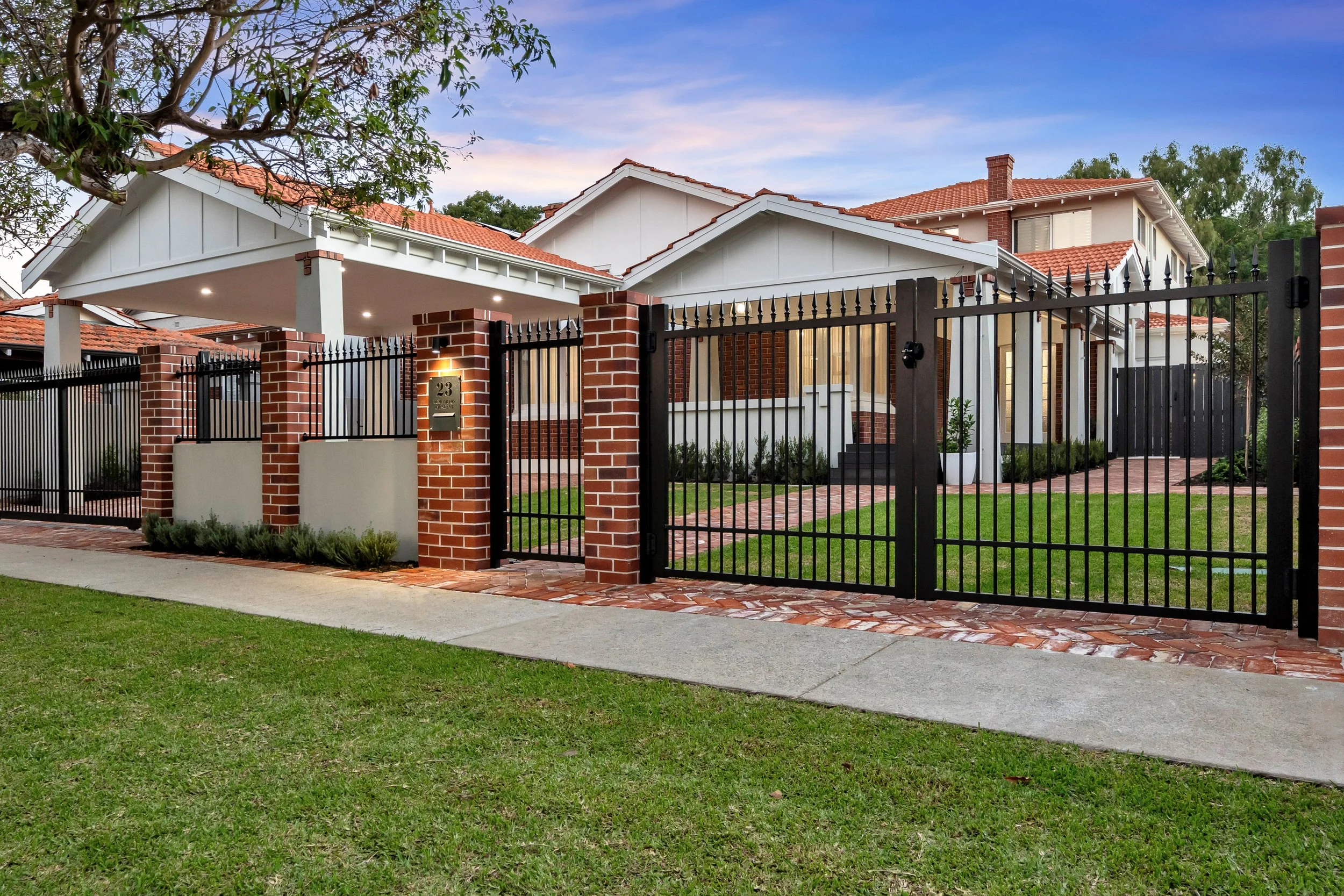
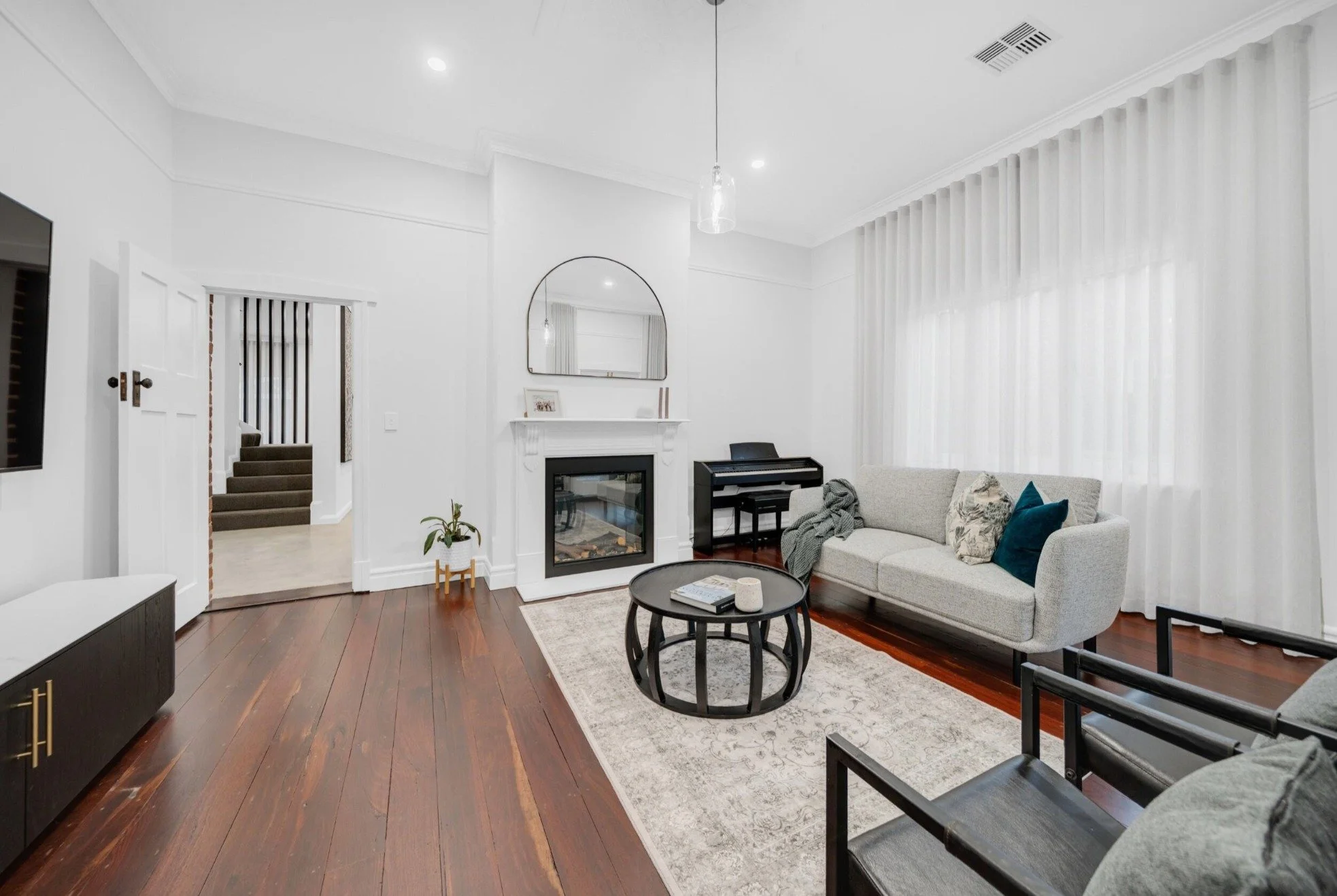
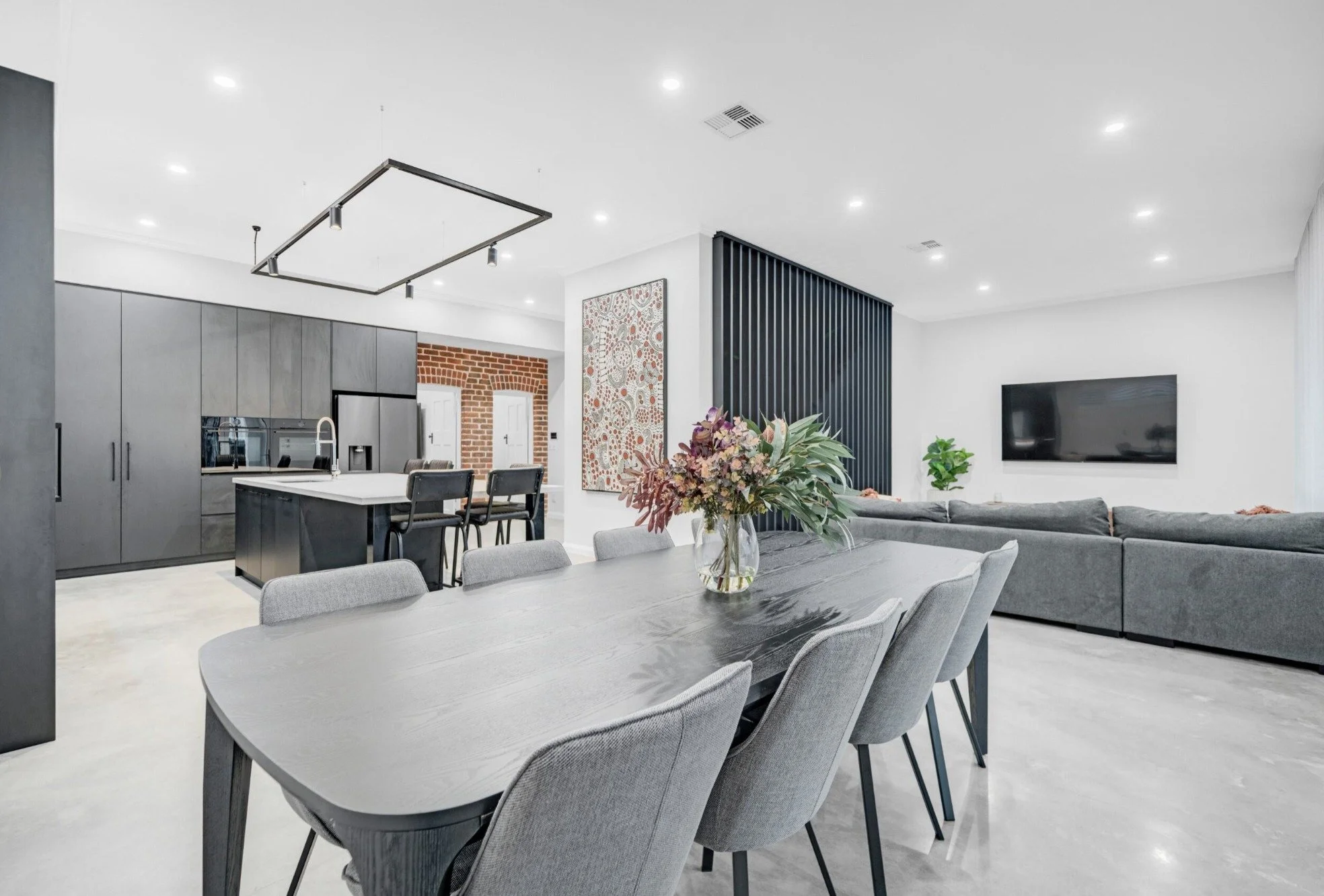
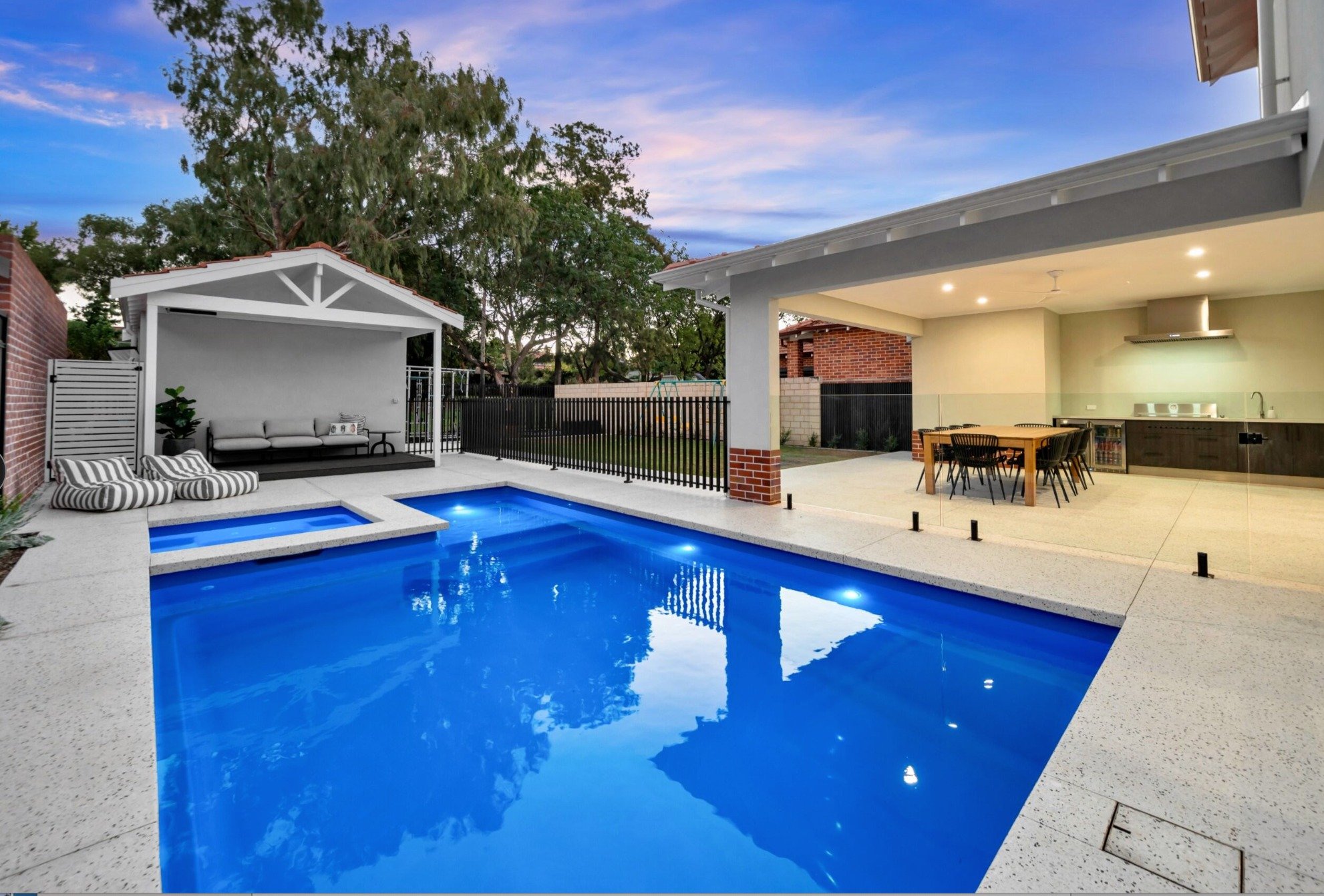
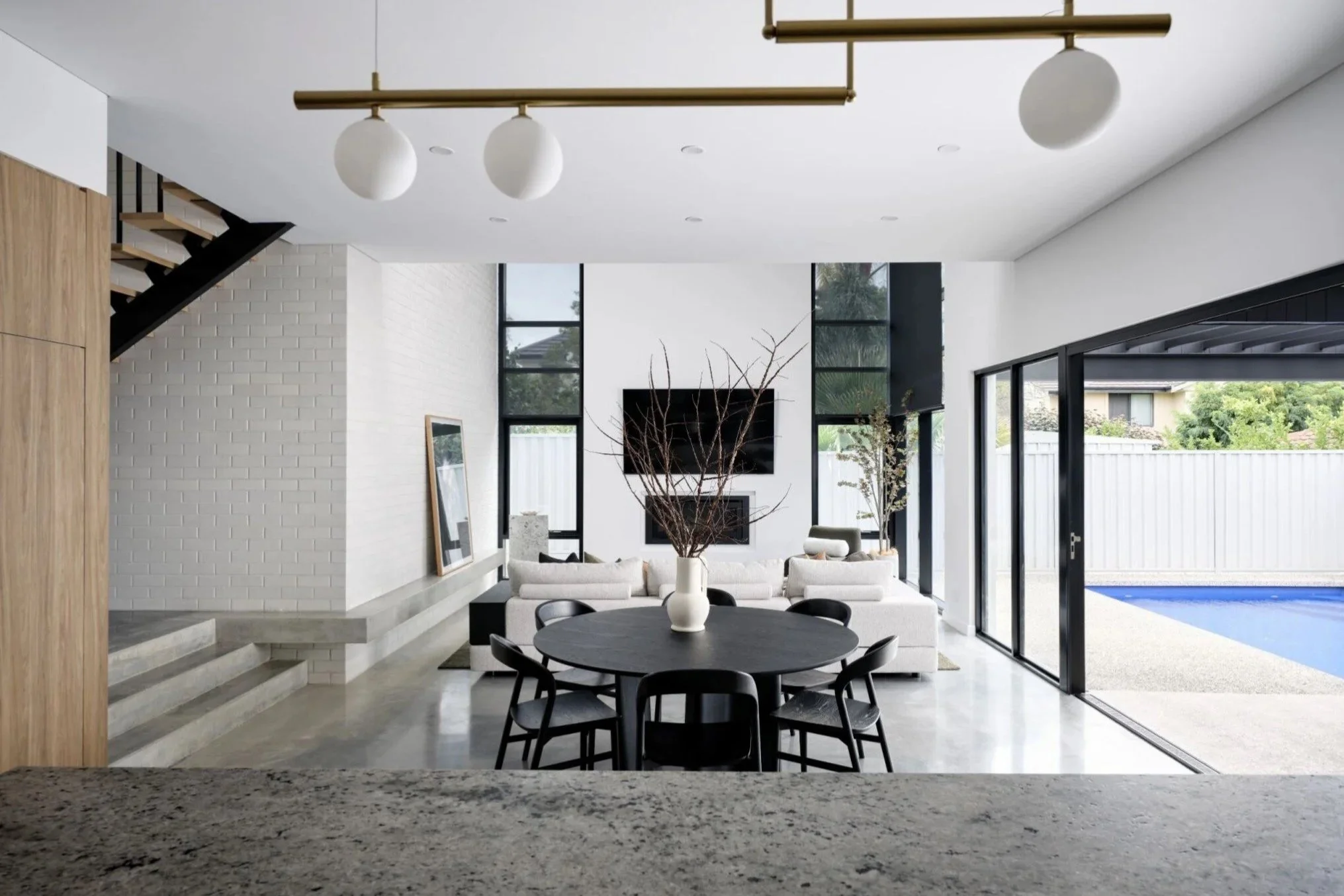
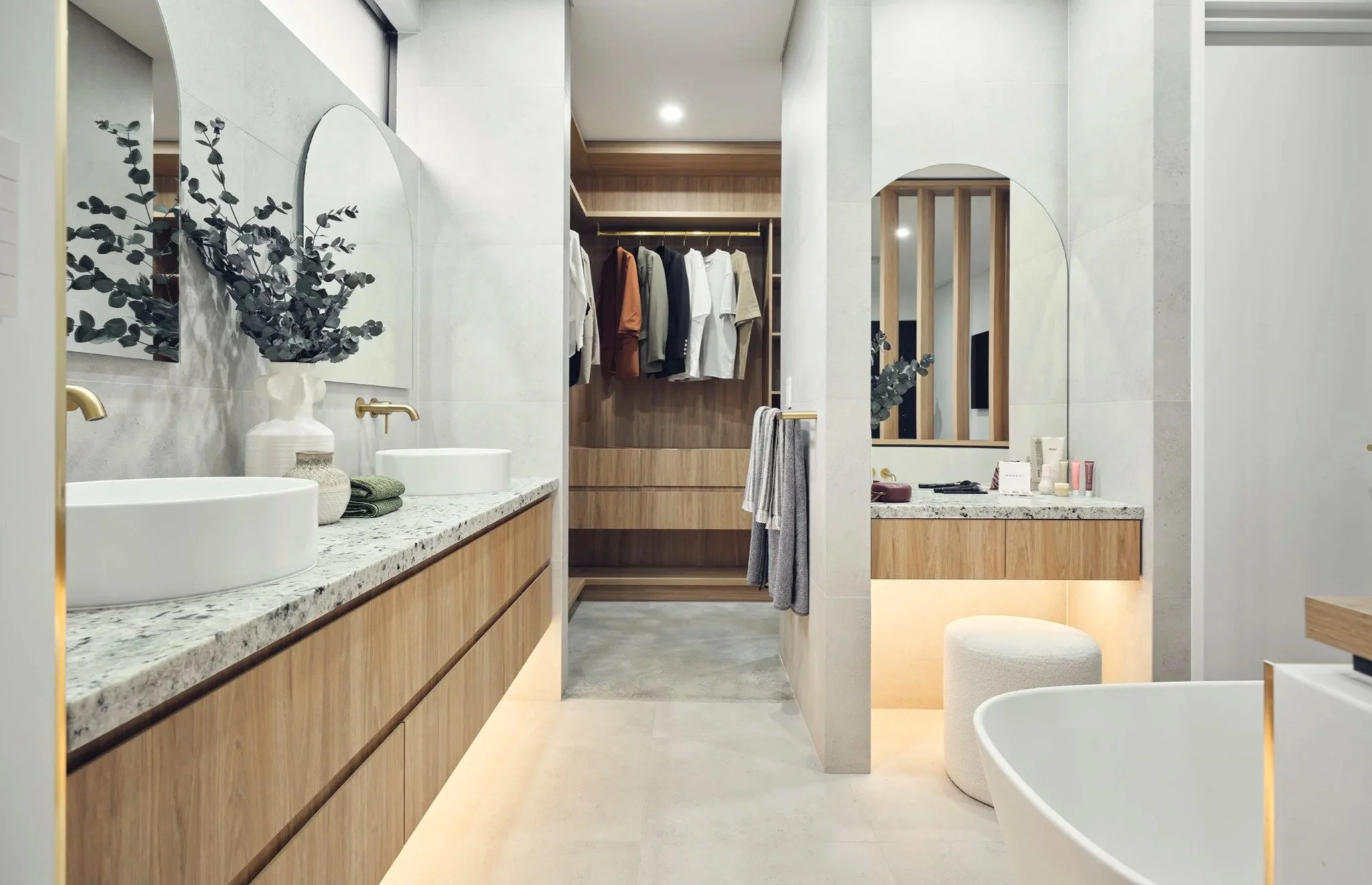
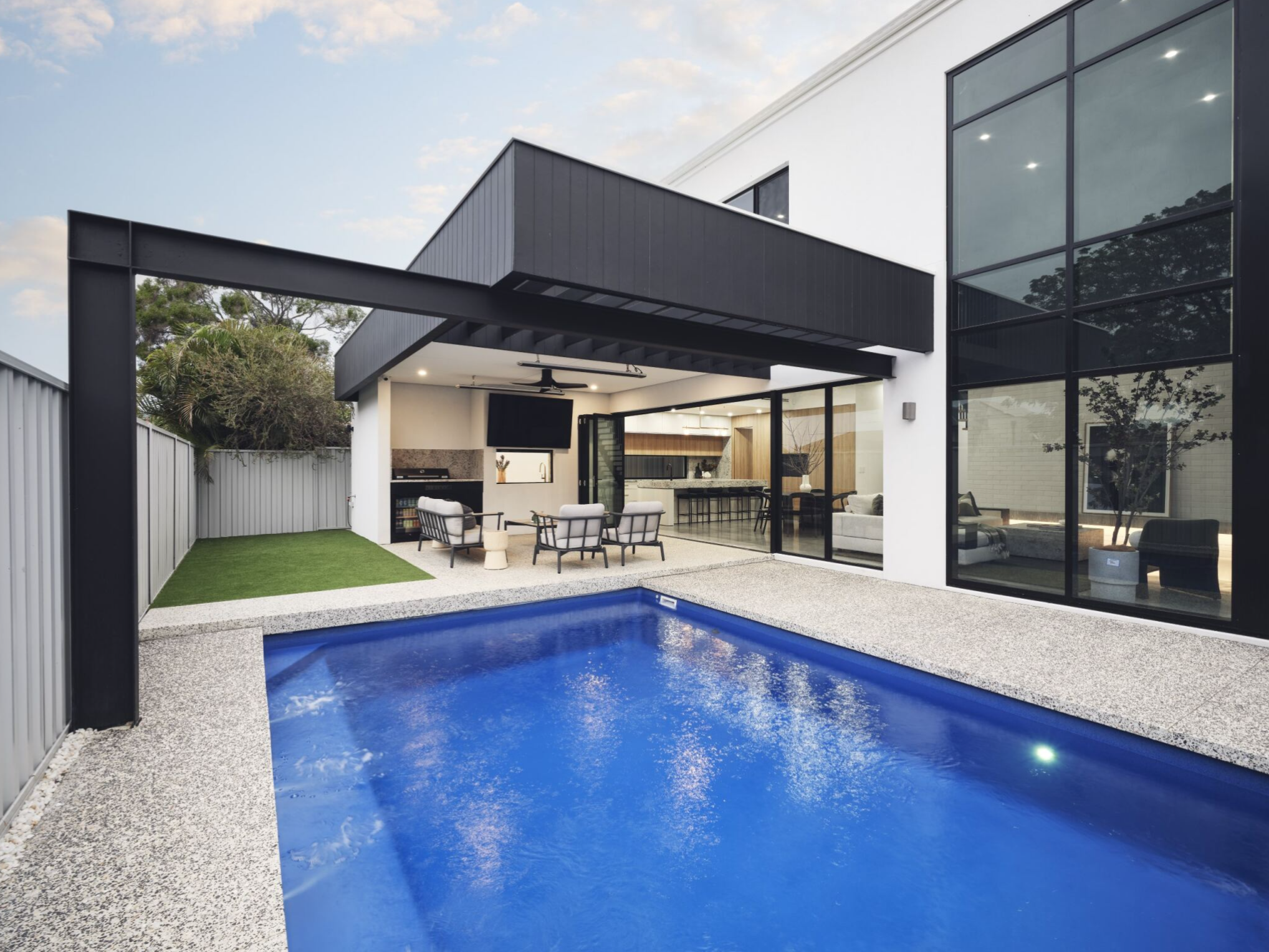
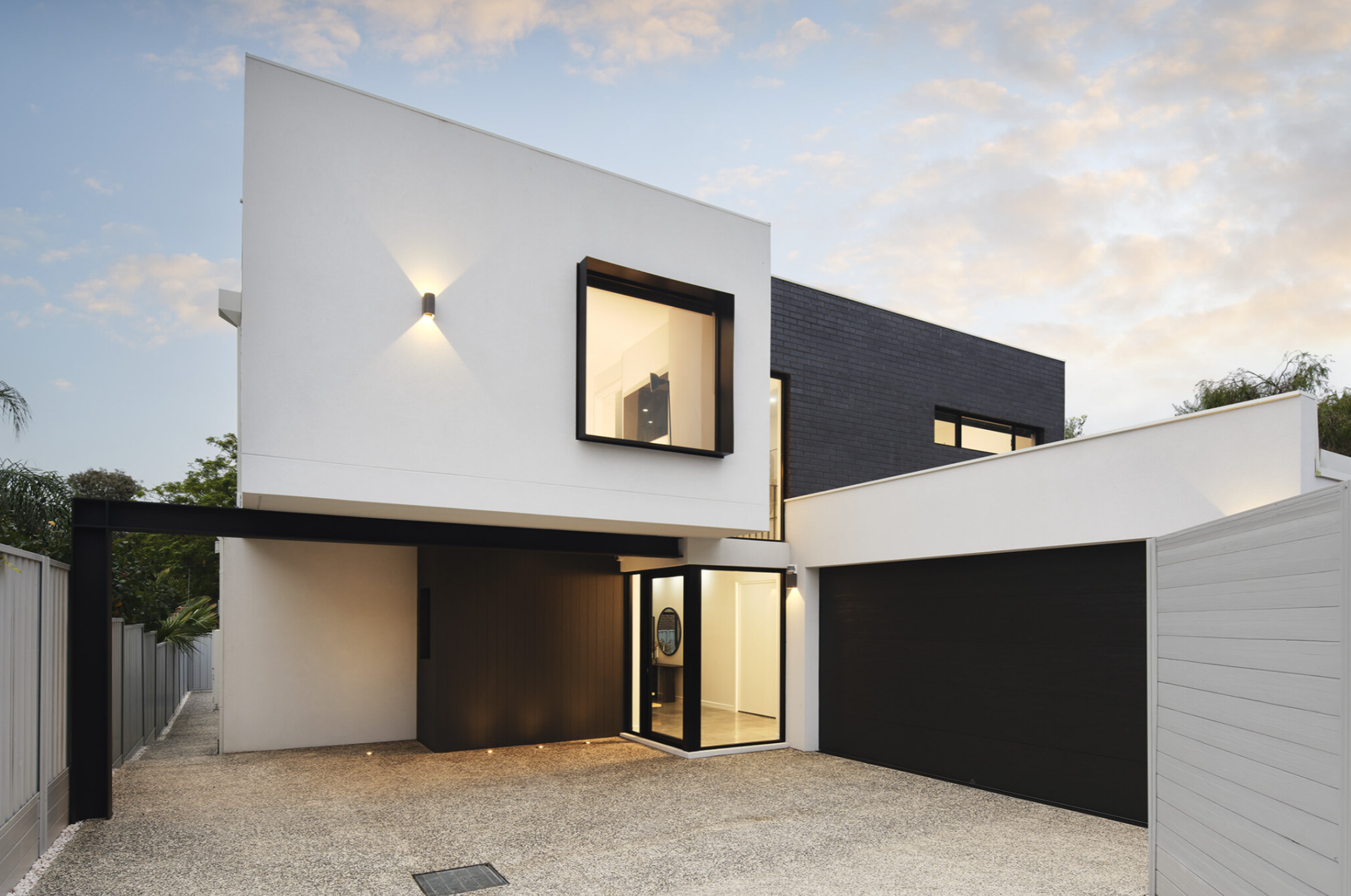
IMAGES BELOW: Menora Renovation and Extension - See More
Smart Home Design Is the Best Place to Start.
The most effective energy-efficient homes begin with intelligent design. Orientation, layout and zoning all play a significant role in reducing energy demand before any systems or technology are introduced.
Thoughtful design is central to every custom home designed by Trio Homes.
Passive Design: The Highest Return on Investment.
Passive design works with the local climate to naturally regulate temperature and airflow. When incorporated early, it adds little cost but delivers significant long-term benefits.
Key passive design principles include:
Correct home orientation
Cross ventilation for natural airflow
Strategic window placement• Thermal zoning of living and sleeping areas
Shading through eaves, screens and landscaping
Passive design is especially valuable in infill and development projects where block constraints require smarter planning.
Insulation Adding to Comfort.
Insulation plays a critical role in maintaining consistent indoor temperatures. While building regulations set minimum standards, exceeding them can significantly improve comfort and energy efficiency.
The most effective insulation upgrades include:
Roof and ceiling insulation
External wall insulation
Adding ceiling insulation to existing home when renovating
Insulation upgrades are often incorporated into home renovations and extensions for immediate performance gains.
Windows and Glazing: A Smart Energy Upgrade
Windows can be a major source of heat loss and heat gain. Selecting the right glazing improves thermal performance without compromising design.
Effective solutions include:
Thoughtful window sizing and placement
Double or low-E glazing
Shading devices such as eaves or window finishes
These upgrades are common where comfort and performance are prioritised.
Heating and Cooling Systems: Right-Sized for the Home.
Energy-efficient heating and cooling systems work best when paired with good design and insulation. Oversized systems often consume more energy than necessary.
Smart options include:
Zoned reverse-cycle air conditioning
Ceiling fans to reduce cooling demand
Systems sized specifically to the home layout
This considered approach is standard across Trio Homes custom builds.
IMAGES BELOW: Joondanna - See More
Solar Power and Battery Storage: When Are They Worth It?
Solar power can significantly reduce energy bills, particularly when integrated into an already energy-efficient home.
Solar works best when:
Roof orientation allows for maximum sun exposure
Energy use aligns with daylight hours
Overall energy demand has been reduced through design
Battery storage can offer greater independence from the grid, but it isn’t necessary for every household. Solar is often considered as part of new home builds or renovation projects.
Smart Home Technology: A Supporting Role
Smart home technology can assist with monitoring and managing energy usage. Features such as smart thermostats, automated lighting and energy monitoring systems can improve efficiency, but only when layered onto a well-designed home. Technology should support good design, not compensate for it.
What’s Often Not Worth the Investment?
Energy efficiency works best as a holistic strategy. Common mistakes include:
Installing solar without improving insulation or design
Overspending on technology without reducing energy demand
Choosing complex systems that are difficult to maintain
Using the home inefficiently
At Trio Homes, energy efficiency is embedded into every stage of the design and build process. By prioritising intelligent design, quality materials and proven construction methods, we create homes that are comfortable, efficient and built to perform for years to come.
Whether you’re planning a custom home, renovation or development project, our team will guide you through energy-efficient choices tailored to your site, lifestyle and budget.
If you’re considering building or renovating and want expert guidance on energy-efficient home design, Contact Us to discuss how we can help you create a home that’s designed for comfort, efficiency and long term value.
